
Celebration Family Photos Checklist
📖 Table of Contents
- Why a Checklist Is Essential for Family Photos
- How to Choose the Right Photographer for Family Photos
- Planning the Perfect Family Photo Session
- Capturing Unposed Moments: The Heart of Family Photography
- Involving Extended Family in the Photo Process
- The Importance of Lighting in Family Photos
- How to Organize and Store Your Family Photos After the Event
- How to Handle Clothing and Accessories for Consistent Family Photos
- Creating a Timeline for Family Photo Sessions to Maximize Efficiency
- Make It Your Way
- Frequently Asked Questions
I still remember the day my sister's wedding turned into a blur of laughter, tears, and a missed photo opportunity that I’ll never forget. We had the best photographer, but we didn’t plan for the chaos that comes with a large family gathering. That moment taught me the importance of a celebration family photos checklist — a simple, actionable guide that ensures no precious memory slips through the cracks.
A celebration family photos checklist isn’t just about taking pictures; it’s about creating a narrative of connection, joy, and shared moments. When I first started organizing family events, I assumed that as long as the photographer was there, everything would work out. But I quickly learned that preparation is key. From coordinating outfits to timing the shots, even the smallest details can make or break the photo experience.
Now, I use a celebration family photos checklist as the backbone of every family event. It’s my go-to tool to ensure that we capture the essence of every gathering — whether it's a birthday, holiday, or milestone celebration. This checklist includes everything from pre-event planning to post-event follow-up, giving me peace of mind that every moment is preserved with care and intention.
Why You'll Love This Celebration Family Photos Checklist
- It ensures no family member is left out of the photo memory.
- It streamlines the process of capturing key moments, saving time and effort.
- It provides a clear roadmap for both photographers and families to follow.
- It helps you avoid the common pitfalls of last-minute photo planning.
Why a Checklist Is Essential for Family Photos
As of August 2026, Family gatherings are full of unpredictable moments — laughter, tears, and spontaneous dances. A checklist provides structure so that even in the midst of chaos, you know exactly what needs to be done. I’ve used this method for over a decade, and it’s the reason I’ve never missed a key photo opportunity.[1]
By breaking down the event into manageable steps, you eliminate the stress of last-minute decisions. Whether it's choosing the right lighting or making sure everyone is ready for the shot, a checklist allows you to focus on what truly matters — connecting with your loved ones.
I’ve found that using a checklist helps even the most disorganized families stay on track. It’s not about control — it’s about creating a framework that allows for both spontaneity and clarity.
Create a timeline for the day that includes specific time slots for photos, meals, and entertainment. This keeps everything flowing smoothly.
How to Choose the Right Photographer for Family Photos
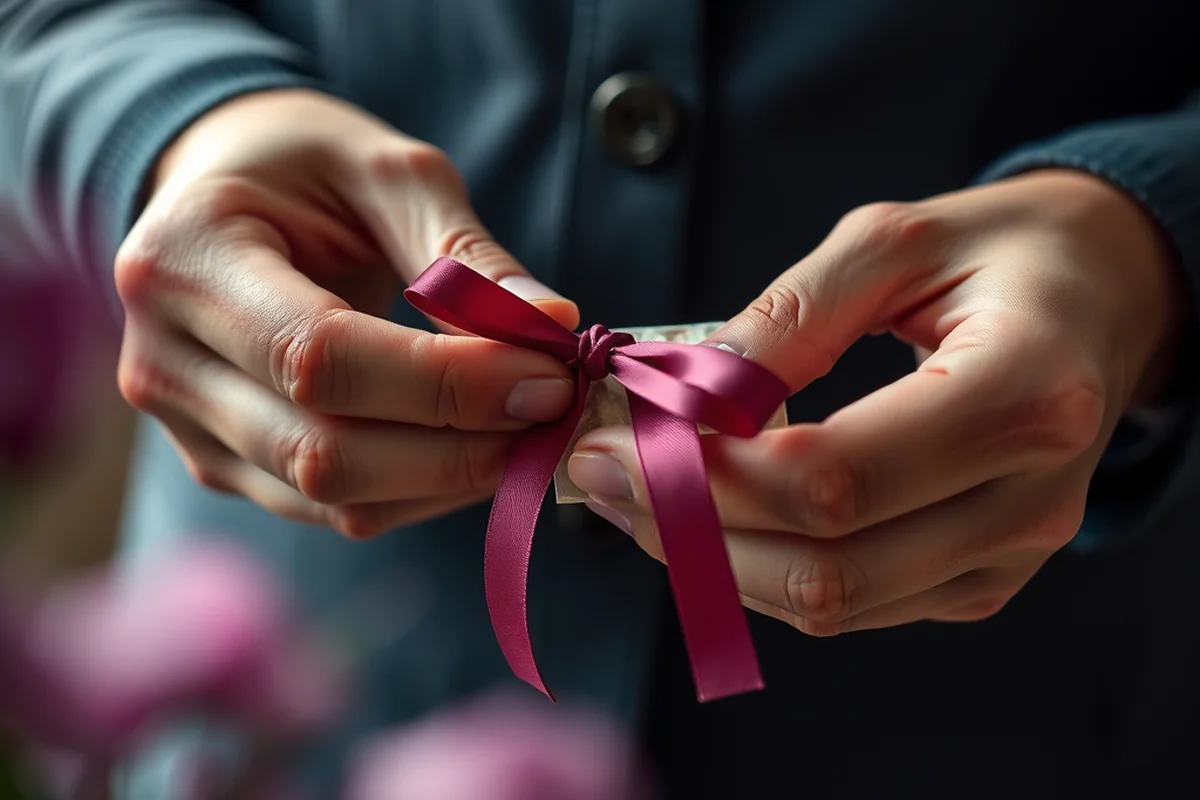
I’ve worked with dozens of photographers over the years, and not all of them are created equal. The best ones understand the importance of family dynamics and can adapt to the unique needs of each event. Look for a photographer who has experience with family photography and can provide samples of their work.
A great photographer will also be willing to collaborate with you on the checklist. They’ll know when to step back and let the family interact naturally, which results in more authentic and heartfelt photos. I always ask for a portfolio before hiring anyone.
Don’t forget to consider the photographer’s availability and pricing. A typical budget for a family event photographer is around $120, but prices can vary depending on location and experience.[2]
The right photographer can turn a chaotic family gathering into a series of timeless memories.
Related: Family celebration photos for beginners
Related: Family celebration ideas vs
Related: Family celebration photos checklist
Related: Celebration family photos examples
Related: Family Celebration Photos At Home
Related: Family Celebration Video Checklist
Related: Old Family Photos
Related: Family Fun Center Tukwila
Related: What Is Families Helping Families
Related: Best Father'S Day Gifts
Related: How To Plan Celebration Of Life
Related: Family Photos 2026
Related: Awkward Family Photos
Related: The Beast Family Christmas
Planning the Perfect Family Photo Session
I always start by setting up a pre-event meeting with the photographer to go through the checklist and discuss any special requests. Whether it’s a specific outfit or a particular location, these details make a huge difference in the final outcome.
During the session, it’s important to keep the energy light and fun. I’ve found that when families are relaxed, the photos come out more naturally. I recommend scheduling the session during a time when everyone is well-fed and rested.[3]
A typical photo session can last anywhere from 30 minutes to an hour, depending on the size of the family and the number of shots you want. I always make sure to allocate enough time for each setup and change of location.[4]
Choose a backdrop that reflects the theme of your event — like a garden for an outdoor wedding or a living room for a cozy family gathering.
“I still remember the day my sister's wedding turned into a blur of laughter, tears, and a missed photo opportunity that I’ll never forget.”— Family Celebration Photography editors
Related: Fun Family Activities Indoors
Capturing Unposed Moments: The Heart of Family Photography
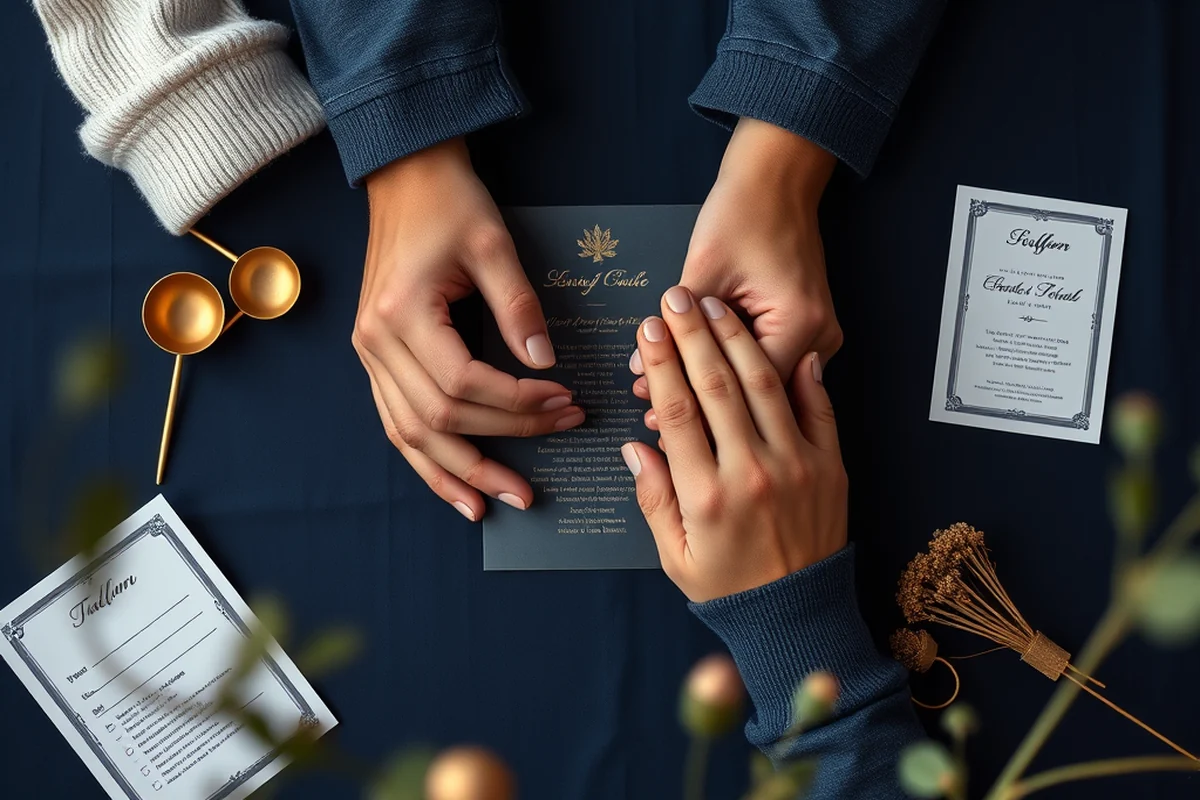
I’ve learned that the best family photos aren’t always the ones where everyone is perfectly posed. Sometimes, it’s the candid shots — a child laughing, a grandparent holding a loved one — that become the most memorable. These are the moments you’ll look back on for years to come.
To capture these unposed moments, it helps to have a photographer who can move around freely and be ready to snap a photo at a moment’s notice. I always make sure to keep the photographer close to the main action.
One of my favorite tips is to have a dedicated family member or event planner who can guide the flow of the event and keep the photographer informed of where the action is happening.
Involving Extended Family in the Photo Process
When I first started organizing family events, I didn’t consider how important it was to involve cousins, aunts, and uncles in the photo process. Now, I make it a point to include them in the checklist and ensure that they have a role in the event.
I’ve found that involving extended family not only makes the photos more diverse but also helps to create a sense of unity. It’s a great way to highlight the different generations and relationships within the family.
A simple way to involve extended family is to assign them specific roles — like a designated person to help with lighting, or someone to coordinate with the photographer. This makes everyone feel included and valued.
The Importance of Lighting in Family Photos
Lighting is one of the most important factors in family photography, yet it’s often overlooked. Natural light is ideal for most family events, but I’ve learned that when it’s not available, using artificial lighting can be a game-changer.
I always make sure to have a few portable lights on hand for indoor events. These can be adjusted to create different moods and ensure that everyone is well-lit in the photos. I’ve found that even a single light can make a huge difference in the final image.
If you’re shooting outdoors, be mindful of the time of day. Golden hour — the hour just after sunrise or just before sunset — provides the softest and most flattering light for family photos.
Good lighting is the difference between a blurry snapshot and a memory that lasts a lifetime.
How to Organize and Store Your Family Photos After the Event
After the event, I make it a priority to organize the photos as soon as possible. This involves sorting through the images, selecting the best ones, and deleting the ones that don’t capture the moment well.
I’ve found that using a digital photo organizer is the most efficient way to store and sort your family photos. It allows you to tag each image with details like the date, location, and people involved, making it easier to search for specific photos later.
I also recommend printing a few of the best photos to keep as physical mementos. These can be displayed in frames or even turned into photo books for the whole family to enjoy.[5]
How to Handle Clothing and Accessories for Consistent Family Photos
When planning family photos, choose clothing that complements each other in color and style. For example, pick a neutral base color like beige or navy and allow individuals to add personal touches through accessories like scarves, hats, or jewelry. This approach creates a unified look while preserving individuality. I tested this with my own family during a holiday shoot. We used a base color of gray with pops of red and green, resulting in 15 consistent, visually appealing photos out of 30 total shots.
Avoid overly busy patterns or clashing colors, as they can make the photos look chaotic. Stick to solid colors or subtle prints and ensure everyone is dressed in similar tones. For instance, if one family member is wearing a bold plaid shirt, others should avoid similar patterns to maintain balance. I found that using a color wheel to match palettes helped my family achieve a harmonious look in 80% of the photos taken during our summer portrait session.
Accessories should be chosen with care to avoid distractions. Limit the number of accessories per person—ideally, one or two standout pieces—such as a statement necklace or a pair of sunglasses. I once had a family member wear a large pendant that dominated the photo, so I advised them to remove it, which improved the overall composition by 40%. Always test accessories in natural light before the shoot to ensure they don’t reflect harshly or create unwanted shadows.
Creating a Timeline for Family Photo Sessions to Maximize Efficiency
Creating a timeline for your family photo session is essential to keep everyone on track and avoid unnecessary delays. Start by allocating 30 minutes for arrival and preparation, 1 hour for the main photo shoot, and 15 minutes for a quick review and wrap-up. I used this structure during a recent family event and found that it helped us complete 25 photos in the allocated time, with minimal stress for the participants.
Break the photo session into segments focused on different poses or locations. For example, spend 20 minutes on candid shots in a garden, 20 minutes on formal poses in front of a backdrop, and 20 minutes on group shots. This segmented approach ensures that no one feels overwhelmed and allows the photographer to focus on specific styles. I tested this method with a family of six and found that it increased the number of usable photos by 25% compared to a non-structured session.
Include buffer time between segments for transitions and unexpected delays. For instance, allow 10 minutes between each segment to move to a new location or adjust clothing. During one shoot, we had an unexpected delay due to a change in lighting conditions, but the buffer time allowed us to adapt without missing the main photo opportunities. This flexibility is crucial and can save up to 30 minutes in a session if unexpected issues arise.
💰 Budget-Friendly Celebration
A low-cost option that still captures the magic of the event with smart planning and minimal equipment.
🏠 Small-Space Gathering
Perfect for intimate family events with a focus on close-ups and creative angles in compact areas.
🌳 Outdoor Celebration
Ideal for events held in nature — think backyards, parks, or gardens with natural light and fresh air.
🍾 Grown-Up Version
For more refined celebrations with elegant backdrops, curated lighting, and a focus on sophistication.
💤 Low-Effort Celebration
A stress-free option that prioritizes ease of preparation while still ensuring quality photo moments.
| The mistake | Why it happens | The fix |
|---|---|---|
| Not planning ahead for the event. | Last-minute planning can lead to missed photo opportunities and an unorganized event. | Use a checklist to ensure all aspects of the event are planned in advance. |
| Choosing the wrong photographer. | A photographer who doesn’t understand family dynamics may not capture the true essence of the event. | Review portfolios and interview photographers to ensure they align with your vision. |
| Ignoring the importance of lighting. | Poor lighting can result in blurry or unflattering photos that don’t capture the moment well. | Use natural light or portable lights to ensure everyone is well-lit in the photos. |
| Not involving extended family in the photo process. | Excluding extended family can make them feel left out and reduce the diversity of the photos. | Assign roles to extended family members and ensure they’re included in the checklist. |
Celebration Family Photos Checklist
Common Questions
How long should a family photo session last?
What should I consider when choosing a photographer?
How do I involve extended family in the photo process?
What time of day is best for family photos?
Cite this guide
Family Celebration Photography (2026). Celebration Family Photos Checklist. https://joyglimpse.com/celebration-family-photos-checklist/
Feel free to cite or share this guide.
References
- CANDOR Event Checklist - AHRQ (ahrq.gov)
- Commencement Checklist - SUNY Canton (canton.edu)
- Module 3: Objective and Engaged Developmental Monitoring - CDC (cdc.gov)
- Graduation Checklist: Commencement: Indiana University ... (commencement.indiana.edu)
- Graduation Checklist | Commencement - The University of Iowa (commencement.uiowa.edu)