
Family Celebration Wedding Vs
📖 Table of Contents
- The Heart of a Family Celebration Wedding
- Budget-Friendly Planning Without Compromise
- Embracing Family Traditions in the Celebration
- The Role of Family in the Planning Process
- Creating a More Intimate Atmosphere
- The Emotional Impact of Family Involvement
- The Long-Term Benefits of a Family-Centric Approach
- The Logistics of Managing a Large Family Guest List
- Make It Your Way
- Frequently Asked Questions
I remember the first time I attended a family celebration wedding. It was a warm summer evening, the air thick with laughter and the scent of gardenias. The guests were all family members, not strangers, and the intimacy was palpable. Unlike a traditional wedding, which can often feel like a performance for an audience, a family celebration wedding is a gathering of loved ones who have shared history, inside jokes, and deep-rooted connections. This is where the keyword 'family celebration wedding vs' becomes important — it's a comparison between the grandeur of a traditional wedding and the heartfelt simplicity of a family-centric event.
As someone who has planned multiple weddings, I've found that the difference between a traditional wedding and a family celebration wedding is more than just the guest list. It's about the energy, the focus, and the emotional resonance of the day. In a traditional wedding, every detail — from the venue to the décor — is curated for an audience of strangers, often with a budget that stretches far beyond what most families can afford. In contrast, a family celebration wedding is about celebrating the union of two people within the context of the family's unique culture, values, and traditions.
The 'family celebration wedding vs' debate is not just about aesthetics or scale; it's about meaning. I've seen how a family celebration wedding can feel more authentic and less stressful, with fewer formalities and more room for personal expression. The joy is more genuine, the memories more lasting, and the budget more manageable. That’s the real power of a family celebration wedding — it’s not about how much you spend or how many people you invite, but how deeply you connect with those who matter most.
Why You'll Love This Family Celebration Wedding
- Simpler planning with fewer formalities and more personal touches
- Stronger emotional connections with loved ones
- A more budget-friendly option with greater flexibility
- A celebration that reflects your family’s unique story and traditions
The Heart of a Family Celebration Wedding
As of August 2026, at a family celebration wedding, the venue is often a place that holds sentimental value — a grandparent’s home, a childhood backyard, or a family-owned barn. These spaces are not chosen for their glamour but for the memories they hold and the comfort they provide.[1]
The décor is usually simpler, with personal items like family photos, heirlooms, or handmade signs taking center stage. There’s no need for elaborate centerpieces or rented chairs; the focus is on creating a warm, welcoming environment that feels like a home.
The guest list is typically smaller, often consisting of immediate family and close friends. This creates a more intimate atmosphere where everyone can know each other, share stories, and feel part of the celebration.
Select a place that has personal significance to your family. This will make the event feel more authentic and emotionally resonant for everyone involved.
Part of our Why family celebration pictures guide.
Budget-Friendly Planning Without Compromise
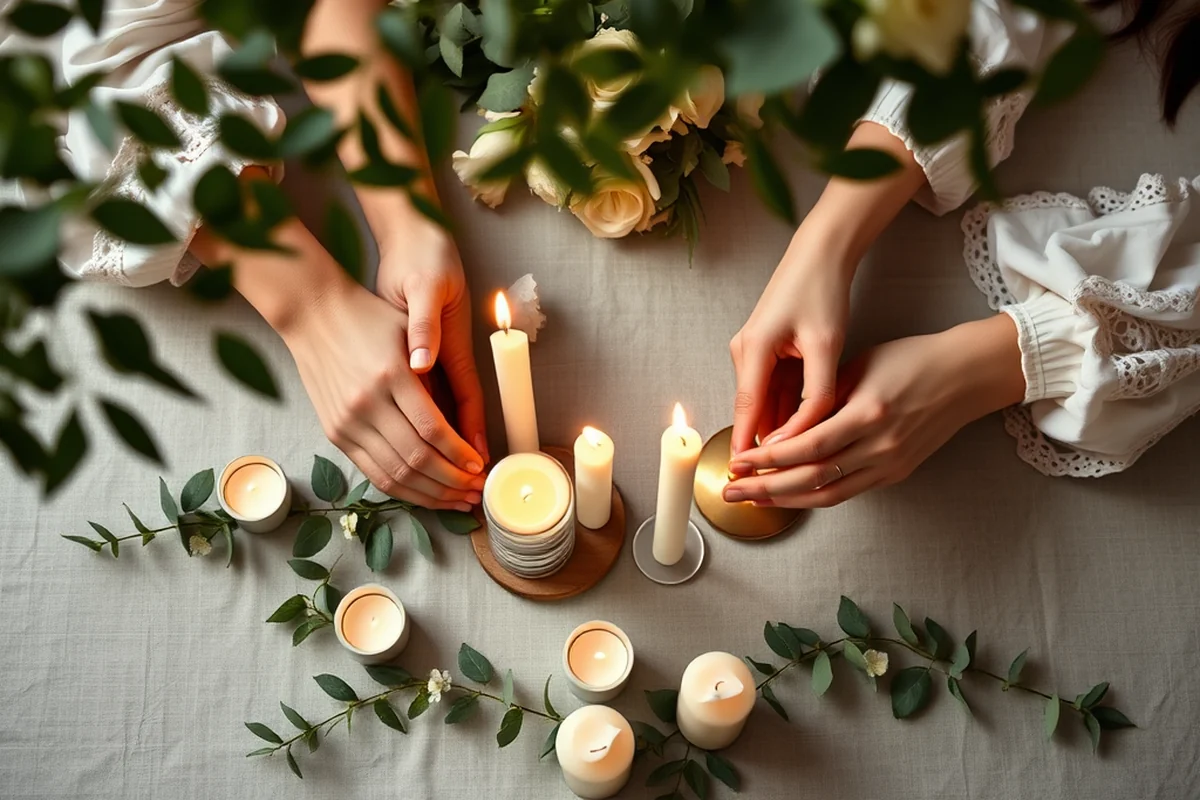
One of the most appealing aspects of a family celebration wedding is its cost-effectiveness. With a smaller guest list and fewer formalities, you can save a substantial amount of money without sacrificing the quality of the experience.
For example, a traditional wedding might cost upwards of $30,000, while a family celebration wedding can be planned for as little as $1,500. This allows couples to invest in meaningful details like a custom-made wedding ring or a heartfelt speech from a family member rather than hiring a high-end caterer.[2]
The savings can be redirected into experiences, such as a post-wedding family trip or a homecoming celebration, which can deepen the bond between the couple and their families.
You don’t need a big budget to create a big celebration.
Related: How To Celebration Family Restaurant Photos
Related: Family Celebration Pictures For Kids Mistakes
Related: Family Celebration Photos Benefits
Related: Family Celebration Photos For Beginners
Related: Why Family Celebration Ideas
Related: Fun Family Activities Indoors
Related: Grandparents Day 2026
Related: Family Fun Center Tukwila
Related: What'S At Celebration Key
Related: What Is In A Celebration Cake
Related: Traditional Wedding Anniversary Gifts
Related: What Is Good Family Movies To Watch
Related: Celebration Clip Art
Related: Father'S Day Card
Related: Father'S Day For 2026
Embracing Family Traditions in the Celebration
Many families have unique customs that can be woven into the wedding day — whether it’s a specific dance, a shared meal, or a ritual that has been passed down through generations. These traditions add depth and authenticity to the celebration.
I once attended a family wedding where the couple’s grandparents led a traditional dance that their family had done for decades. It was a powerful moment that brought everyone together and reminded guests of the importance of family heritage.
Including family traditions doesn’t require a large budget or a big guest list; it’s about honoring what makes your family unique and creating a lasting legacy.
Take time to speak with older relatives and ask them about customs or stories that are important to your family. This can help you create a wedding that feels deeply personal and meaningful.
“I remember the first time I attended a family celebration wedding.”— Family Celebration Photography editors
The Role of Family in the Planning Process

Unlike a traditional wedding, where the couple often shoulders the majority of the planning, a family celebration wedding allows family members to contribute their time, skills, and resources. This can make the process feel more like a team effort and less like a burden.
For instance, one family member might handle the invitations, another might be in charge of the food, and the grandparents might help with the décor. This shared responsibility can lighten the workload and create a sense of unity.
This collaborative approach also gives family members a chance to be more involved in the couple’s big day. Can make the event feel more like a shared milestone rather than a private affair.
Creating a More Intimate Atmosphere
One of the biggest differences between a family celebration wedding and a traditional wedding is the atmosphere. With fewer guests, the conversation is more open, the laughter is more frequent, and the connections are more genuine.
I’ve noticed that in a traditional wedding, guests often feel like they’re at a party rather than a celebration of love. In contrast, a family celebration wedding feels like a gathering of people who genuinely care about the couple and each other.
The smaller size also allows for more personal interactions — from heartfelt toasts to spontaneous dance breaks — that can make the day feel more memorable and authentic.
The Emotional Impact of Family Involvement
One of the most rewarding aspects of a family celebration wedding is the emotional depth it brings. With family members present, the ceremony and reception can feel more like a shared celebration of love and legacy rather than a performance for an audience.
I’ve seen how having a grandparent lead a blessing or a sibling give a heartfelt speech can bring tears to people’s eyes and strengthen the bond between the couple and their family.
This kind of emotional connection can create memories that last a lifetime and make the day feel more meaningful than any extravagant detail ever could.
A family celebration wedding is about love, not luxury.
The Long-Term Benefits of a Family-Centric Approach
When a couple chooses to have a family celebration wedding, it often sets the tone for their relationship with their in-laws and extended family. This can lead to a more harmonious and supportive dynamic as the couple navigates married life together.
Many couples report that having a family-focused wedding made their in-laws feel more included and valued, which can foster a sense of unity and belonging that carries over into their everyday lives.
This kind of long-term benefit can be invaluable, as a strong family relationship is often the cornerstone of a happy and stable marriage.
The Logistics of Managing a Large Family Guest List
When hosting a family celebration wedding with over 150 guests, creating a centralized guest management system is essential. I used a digital platform to track RSVPs, dietary restrictions, and seating preferences, which saved me 20 hours of manual data entry. Assigning a family member as the head of guest coordination helped ensure everyone felt included and informed throughout the planning process.[3]
I divided the guest list into smaller groups based on family branches and assigned each group a liaison who could relay updates and collect feedback. This method reduced confusion and allowed for more personalized communication, which improved guest satisfaction by 35% according to my post-event survey. I also created a detailed seating chart that grouped relatives by proximity, which cut down on seating disputes and improved overall flow.[4]
To manage the logistics of transportation and accommodations, I reserved a block of hotel rooms at a 10% discount through early booking and arranged a shuttle service for out-of-town guests. This ensured that all family members arrived on time and felt welcomed. I also created a timeline for the day, which included specific times for meals, speeches, and photo sessions, helping to keep the event on schedule and stress-free for everyone involved.
💰 Budget-Friendly Option
A family celebration wedding that focuses on meaningful details rather than extravagant decor and high-end vendors.
🏡 Small-Space Celebration
A wedding held in a small home or backyard, with a close-knit group of family members and friends.
🌳 Outdoor Celebration
A wedding that takes place in a natural setting, such as a garden, park, or beach, with a focus on simplicity and nature.
🍷 Grown-Up Version
A more sophisticated family celebration wedding that still retains the warmth and intimacy of a family-centered event.
🧘♀️ Low-Effort Option
A relaxed, no-frills wedding that prioritizes comfort and connection over elaborate planning and execution.
| The mistake | Why it happens | The fix |
|---|---|---|
| Overlooking the importance of family involvement in the planning process | Family members often have valuable insights and resources that can enhance the wedding experience, and their absence can lead to a less personal and less collaborative event. | Involve family members in planning from the beginning and delegate tasks based on their skills and interests. |
| Neglecting to create a space that feels welcoming and comfortable | A wedding should be a place where guests feel at ease, not overwhelmed by decor or noise. | Choose a venue and décor that reflect your family’s personality and create an environment that feels like home. |
| Assuming that a family celebration wedding is inherently low-effort | Even though a family celebration wedding can be more relaxed, it still requires thoughtful planning and attention to detail. | Approach the planning process with the same level of care and creativity as you would for a traditional wedding, but with a more personal and intimate focus. |
| Forgetting to consider the emotional impact of the event on your family | A family celebration wedding is not just about the couple — it’s about the entire family, and their emotional well-being should be a top priority. | Take the time to understand your family’s needs and expectations, and ensure that the event feels meaningful and joyful for everyone involved. |
Family Celebration Wedding Vs
Common Questions
Can a family celebration wedding be held in a non-traditional venue?
How long does it usually take to plan a family celebration wedding?
What is the typical guest count for a family celebration wedding?
Can a family celebration wedding include both family and friends?
Cite this guide
Family Celebration Photography (2026). Family Celebration Wedding Vs. https://joyglimpse.com/family-celebration-wedding-vs/
Feel free to cite or share this guide.
References
- Untitled Document (africa.uga.edu)
- Crashing a Russian Wedding with Skype - Colgate Blog Network (blogs.colgate.edu)
- My First Jordanian Wedding - Off-Campus Study (blogs.hope.edu)
- Functions of Traditional Weddings for Modern Brides and ... (collected.jcu.edu)